



Built To Protect What Matters Most
Every product we sell is carefully selected for its strength, reliability, and proven performance. From robust construction to dependable locking mechanisms, our range is designed to keep your valuables, documents, and important possessions secure. When you choose SafeFort, you’re choosing protection you can trust and peace of mind that lasts.
Every safe available from SafeFort is Independently Certified and carefully selected to meet high standards of resistance, strength, reliability, and practical security.
Shop Our Best Sellers
Our Best Sellers collection brings together the most trusted and frequently chosen SafeFort security solutions. These products are selected time and time again by UK homeowners and businesses looking for reliable, professional-grade protection for their most valuable possessions.


Choose your option


Choose your option


Choose your option


Choose your option


Choose your option


Choose your option


Batteryguard XS-2 HE VDMA 24994 230V - UK
Choose your option
Shop By Brand
We work with trusted security solutions manufacturers known for quality, compliance, and reliability.


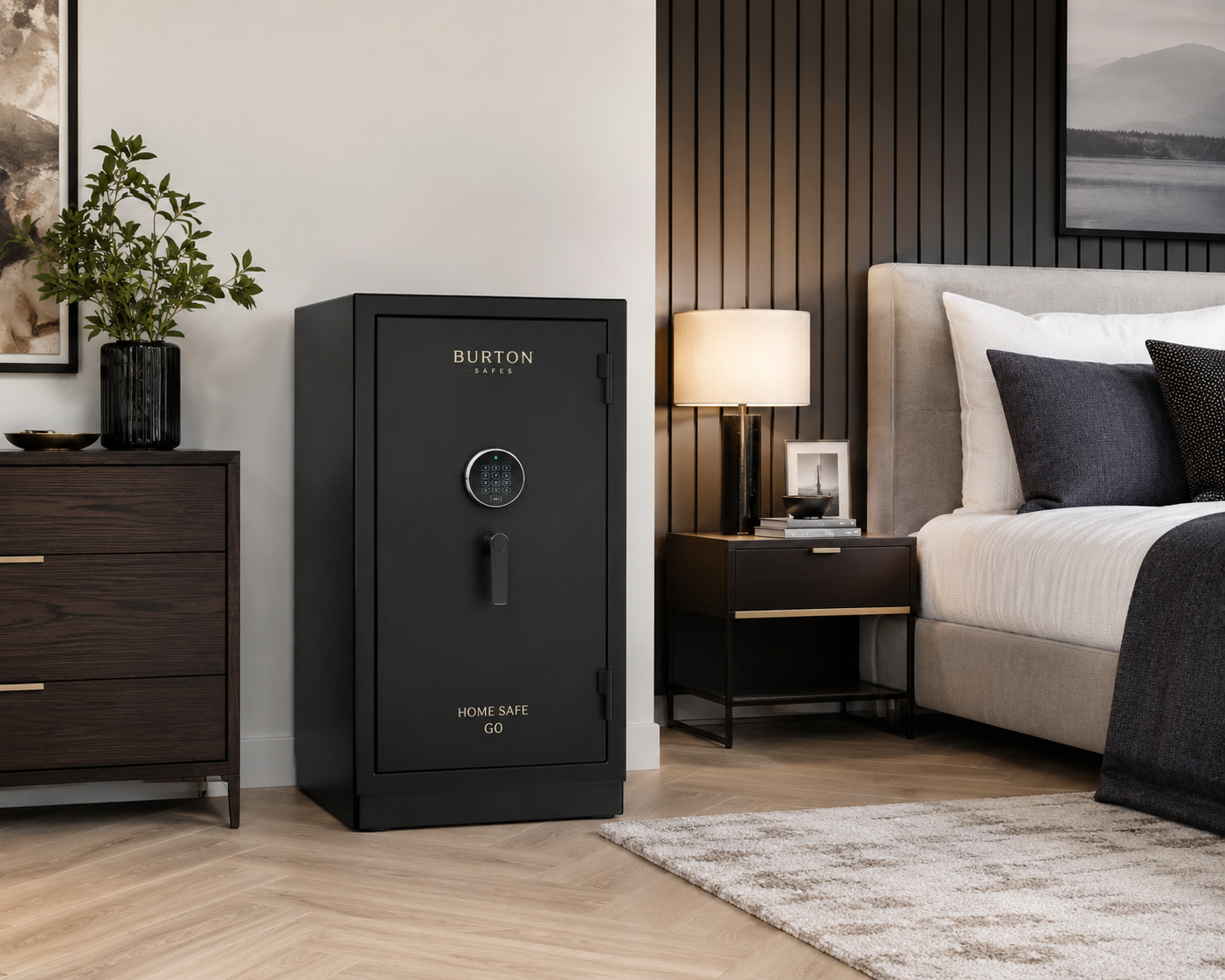
Find security solutions that fit your exact needs and style, so your items are safe no matter what.


Every safe available from SafeFort is Independently Certified and carefully selected to meet high standards of strength, reliability, and practical security.


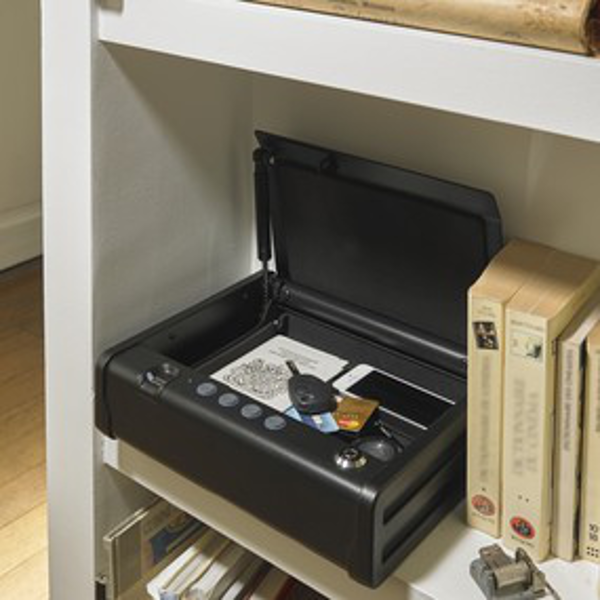
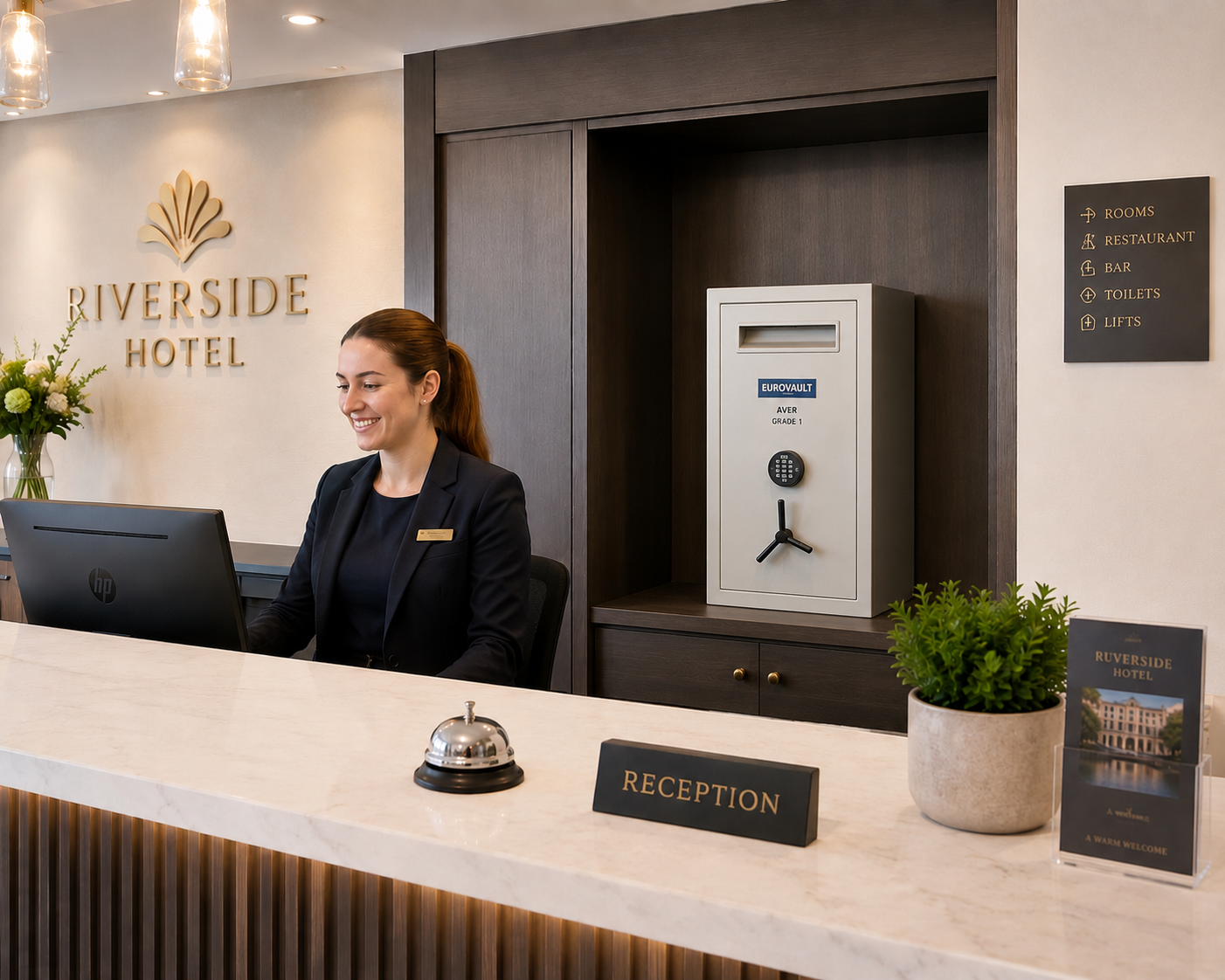
This range focuses on combining practical security with intelligent functionality, helping you manage, and protect your cash in any retail, hotel or commercial environment.


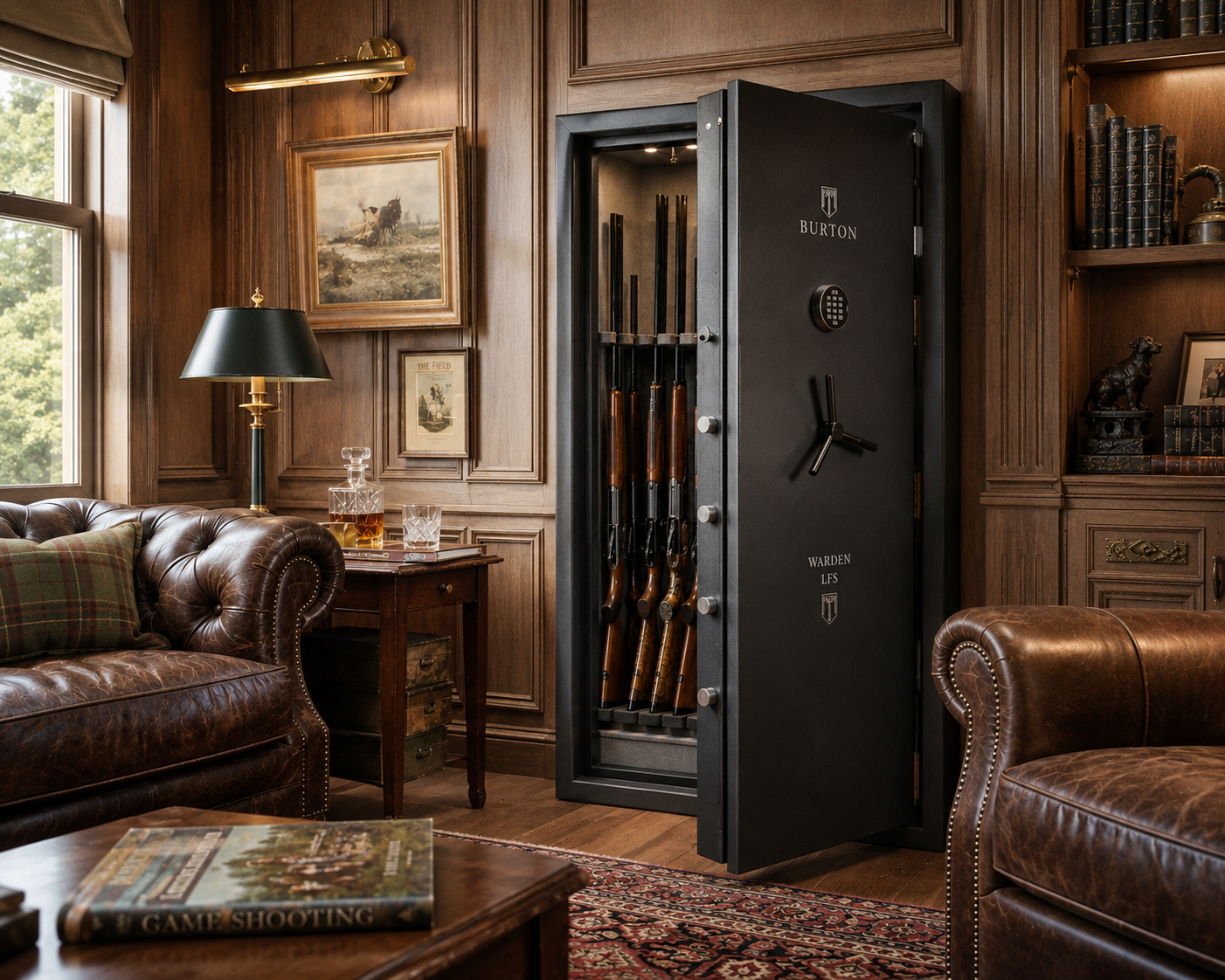
This collection brings together secure firearms storage solutions that focus on practical protection, certified standards, and peace of mind.


Choose your option
Choose your option


Choose your option
Our Favorite Products
Shop By Price
Find security options to match your budget without compromising on quality or performance.
Choose your option


ASEC Under Floor Safe Door Only - 250mm x 200mm
Choose your option


Choose your option


MASTER LOCK MLD08EB Compact Fingerprint Combination Safe
Choose your option


MASTER LOCK Electronic Combination Safe Fire & Water Resistant
Choose your option


CHUBBSAFES Sigma Deposit Safe 1,500 Rated
Choose your option


CHUBBSAFES Homevault S2 Plus Burglary & Fire Dual Protection Safe 4,000 Rated
Choose your option


CHUBBSAFES Homevault S2 Burglary Resistant Safe £4,000 Rated
Choose your option


Choose your option


Choose your option
Choose your option
ASEC Under Floor Safe Door Only - 250mm x 200mm
Choose your option
Choose your option

DORMAKABA SL525 Motorised Combination Safe Lock
Choose your option


CHUBBSAFES Zeta Grade 1 Certified Safe 10,000 Rated
Choose your option


CHUBBSAFES Zeta Grade 0 Certified Safe 6,000 Rated
Choose your option


Choose your option
CHUBBSAFES Zeta Grade 1 Certified Safe 10,000 Rated
Choose your option
CHUBBSAFES Zeta Grade 0 Certified Safe 6,000 Rated
Choose your option


CHUBBSAFES Omega Deposit Safe 3,000 Rated
Choose your option


CHUBBSAFES Home Safe S2 30P Burglary & Fire Resistant Safes
Choose your option


Choose your option


Choose your option


Choose your option


Aver LFS G1 Till Safe
Choose your option


Warden LFS Gun Safe
Choose your option


Choose your option


Batteryguard XL20D Lithium-Ion Battery Charging Safe – VDMA 24994 Certified (230V / 400V, Multiple Configurations)
Choose your option


Batteryguard XL20 Lithium-Ion Battery Charging Safe – VDMA 24994 Certified (230V / 400V, Multiple Configurations)
Choose your option


Batteryguard XL16 Lithium-Ion Battery Charging Safe – VDMA 24994 Certified (230V / 400V, Multiple Configurations)
Choose your option


Batteryguard L-10 HE VDMA 24994 230V C - UK
Choose your option


Batteryguard S-6 HE VDMA 24994 230V - UK
Choose your option
Check Out Our Blogs

Adams Rite MS1890 Series: Complete Technical & Selection Guide
Adams Rite MS1890 Lock Series Guide The Adams Rite MS1890 lock series combines a hardened deadlock with a smooth spring latchbolt. Built specifically for narrow stile aluminum doors, this hybrid lock offers reliable protection for commercial spaces. Facilities often install it to keep storefront doors safe without blocking regular entry during business hours. For broader building safety options, explore our complete door security hardware range. What is the Adams Rite MS1890? Dual-Function Security Explained The Adams Rite MS1890 is a heavy-duty, dual-function lock built for commercial glass doors. Storefront entryways require flexible access control throughout a typical workday. They need smooth entry for shoppers during peak operating hours. Yet they also demand strong physical resistance against forced entry after dark. Installing separate locks to handle these jobs weakens thin aluminum door frames. Cutting multiple mortise pockets strips away crucial structural metal from the stile. The Adams Rite MS1890 resolves this issue by combining a spring deadlatch and a deadlock into one lock body. Security hardware specialists call this specialized layout an "MS+" dual solution. During normal business hours, the spring deadlatch controls routine foot traffic. Store staff can retract the latch bolt using a standard key cylinder, thumbturn, or exit lever. The deadlatch holds the door securely closed against wind pressure and draft noise. It prevents unwanted entry while keeping daytime traffic moving efficiently. At the close of business, turning the key fully extends the heavy deadlock bolt. This five-ply laminated steel bolt projects deep into the door jamb strike plate. Tests show that laminated steel bolts easily resist prying, hacksaw attacks, and heavy impacts. Intruders cannot easily force or slip the bolt open with simple manual tools. This two-in-one design streamlines hardware specification for facility managers. You get flexible daytime traffic management and robust overnight security from a single mortise cutout. It preserves structural door strength, reduces installation labor, and protects commercial assets. Building operators gain complete peace of mind without cluttering entrance doors with extra hardware. The lock accommodates standard backset options like 31/32-inch, 1-1/8-inch, and 1-1/2-inch dimensions. These choices fit roughly 95% of commercial aluminum door frames found in modern buildings. Maintenance teams can retrofit existing single-function locks without altering door frame cutouts. Now, let us examine the specific technical specifications that make this performance possible. Technical Specifications and Architecture of the Adams Rite MS1890 The Adams Rite MS1890 combines deadbolt security with latching convenience in a single housing. Built to ANSI/BHMA A156.5 Grade 1 standards, this lock set handles over a million door cycles without breaking down. Facility managers often choose this hardware for high-use commercial entryways. Its internal mechanism resists physical force while maintaining smooth, reliable operation every day. At the heart of the hardware sits a five-ply laminated stainless steel bolt. This layered design uses multiple metal plates to absorb sharp impacts from crowbars or mallets. A hardened ceramic core sits inside the center ply to stop cutting tools. If someone tries to saw through the deadbolt, the ceramic insert dulls hacksaw blades almost immediately. Fitting narrow-stile aluminum glass doors requires flexible mounting options. The Adams Rite MS1890 comes in three standard backset measurements: 31/32 inch, 1-1/8 inches, and 1-1/2 inches. These choices fit most hollow metal and storefront aluminum door frames. The deadbolt projects a full 13/16 inch into the strike, creating a deep hold against prying. The lock case relies on heavy-gauge zinc-plated steel to prevent rust and internal wear. It accepts standard 1-5/32 inch diameter mortise cylinders for easy master keying. Security consultants recommend this setup because it combines physical toughness with simple maintenance. Installers can service or swap key cylinders in minutes without replacing the entire door assembly. Traffic Management Modes and Operation Commercial entrances need distinct security settings throughout the business day. The Adams Rite MS1890 meets these requirements by offering three unique operational modes. It combines a heavy-duty deadbolt and a spring latch in one narrow stile body. Switching between modes helps staff balance building access and emergency egress. In full deadlock mode, the lock provides total off-hours security. Turning the key or turn lever extends a strong hookbolt deep into the jamb strike. Locksmith guidelines note that extended hookbolts offer maximum resistance against prying forces. In this mode, the latch mechanism remains inactive, so anyone entering or exiting needs a key. Deadlatch mode manages secure entry during standard business hours. In this setting, the main hookbolt stays safely retracted inside the lock housing. The auxiliary deadlatch keeps the door securely latched against wind and building pressure. Outside guests require a key to open the door, while inside occupants push an egress paddle to exit. Free-exit or latch holdback mode works best during peak shopping hours. Managers use a key turn or mechanical feature to hold both bolts retracted inside the case. Doors swing open easily in both directions without hardware friction. Security experts suggest this mode during busy store hours to prevent mechanical wear on internal springs. Installation, Maintenance, and Troubleshooting Checklist Installing the Adams Rite MS1890 lock requires precise cutouts in narrow stile aluminum doors. Standard backset options measure 31/32 inches, 1-1/8 inches, or 1-1/2 inches. Always measure from the door frame edge to the cylinder centerline before cutting metal. For step-by-step guidance on similar latch systems, see our guide on how to install a mortice hooklatch. Secure the lock body tightly inside the aluminum stile using the provided mounting clips. This dual-action lock works with standard 1-5/32 inch diameter mortise cylinders. You can pair it with key cylinders, thumbturns, or specialized exterior levers. Make sure your cylinder uses a standard MS series cam shape. Using incorrect cylinder cams will jam the internal deadbolt linkage and damage the drive hub. Routine maintenance keeps commercial door locksets operating smoothly over time. Apply a dry graphite or PTFE lubricant into the keyway and bolt track twice a year. Avoid heavy oil-based lubricants like generic multi-purpose sprays. Sticky oil attracts airborne dust, grit, and metal shavings that bind internal springs. Follow this troubleshooting checklist to solve common alignment issues: Verify Cylinder Depth: Thread the mortise cylinder in carefully until it rests flush against the door face without crushing parts. Check Strike Alignment: Sagging heavy-traffic doors cause bolt misalignment, so ensure the bolt enters the center of the strike cutout. Adjust Door Stile Gap: Maintain a uniform 1/8 inch clearance between the door edge and frame stop to allow full engagement. Inspect Bolt Clearance: Ensure the frame jamb pocket is deep enough so the deadbolt throws fully without hitting frame screws. Tighten Mounting Hardware: Re-torque all mounting bridge screws to stop the lock body from shifting inside the aluminum channel. In addition to correct installation, combining this lock with complementary hardware boosts overall entryway security. Recommended Commercial Security Hardware Selecting the right hardware for aluminum narrow stile doors requires precise component matching. The Adams Rite MS1890 series offers unique flexibility for busy commercial entryways. It combines a heavy-duty deadbolt with a spring latch in a single mortise body. This design delivers convenience during business hours and robust key security at night. You avoid the need to cut multiple slots into thin aluminum door frames. To build a complete security setup, pair this lock with standard 1-5/32 inch mortise cylinders from top rated Security Solutions brands UK. Look for cylinders fitted with hardened steel pins and protective anti-drill plates. Many facility managers install a thumbturn cylinder on the interior side. This layout supports quick egress during fires while maintaining strict exterior access control. Always check your precise door thickness before ordering hardened cylinder guard rings. Finish your installation with durable heavy-gauge faceplates and armored strike plates. Anodized aluminum and satin architectural finishes offer reliable corrosion resistance for storefront entrances. For high-traffic retail doors, pair the latch mechanism with ergonomic push paddle handles or lever controls. Upgrading Your Commercial Door Lock System Upgrading your aluminum storefront doors with robust hardware is a smart long-term investment. Heavy-duty lock systems like the Adams Rite MS1890 offer exceptional durability for commercial entryways. Standard commercial locks often wear out quickly under heavy foot traffic. However, Grade 1 mechanisms withstand constant daily use while lowering long-term repair costs. Combining maximum security deadbolts with flexible latch mechanisms gives you total control over entry points. Proper installation ensures your building remains fully protected against unauthorized entry. High-quality security hardware protects your assets, employees, and physical property over time. To learn more about modern building access strategies, explore where to buy Security Solutions products online UK. You can also contact our support team to get direct advice on hardware selection, custom keying options, and code compliance. Investing in reliable commercial lock hardware keeps your business safe and running smoothly for years to come. Frequently Asked Questions What is the Adams Rite MS1890 lock? The Adams Rite MS1890 is a dual-function commercial lock designed specifically for narrow stile aluminum glass doors. It combines a spring deadlatch for daytime traffic control and a heavy-duty deadlock for overnight security into a single lock body, preserving the door frame strength. How does the Adams Rite MS1890 resist forced entry and cutting? The Adams Rite MS1890 features a five-ply laminated stainless steel deadbolt with a hardened ceramic core insert. This multi-layered design absorbs heavy impacts from mallets or crowbars, while the ceramic core immediately dulls hacksaw blades if someone attempts to saw through the bolt. What backset sizes are available for the Adams Rite MS1890? The Adams Rite MS1890 offers three standard backset options: 31/32 inch, 1-1/8 inches, and 1-1/2 inches. These dimensions fit approximately 95 percent of commercial aluminum and hollow metal door frames found in modern commercial buildings. How do you maintain the Adams Rite MS1890 lock set? You should use a dry graphite or PTFE lubricant applied directly into the keyway and bolt track twice a year. Avoid heavy oil-based lubricants or generic sprays, as sticky oil attracts airborne dust, grit, and metal shavings that bind the internal springs over time. About This Article Author: SafeFort Editorial Team Last Updated: August 26, 2026 Editorial Disclosure: This article was researched and written by our content team to provide helpful, accurate information about ADAMS RITE MS1890. We regularly review and update our content to reflect the latest industry developments and best practices.

Secure Door Locking Systems: Complete Property Security Guide
Introduction Protecting a refined architectural space begins at its primary threshold. Installing certified secure door locking systems safeguards physical assets against forced intrusion and physical manipulation. Standard architectural hardware often delivers minimal resistance against determined break-in tools. Advanced lock engineering provides multi-point physical defense paired with seamless access control. This architectural guide examines high-grade locking mechanisms to assist property owners in establishing uncompromised security standards. To build an expansive property protection strategy, reference our general entry security guide alongside our expert Security Solutions recommendations UK. Precision engineering ensures entryways resist unauthorized entry without compromising aesthetic elegance. Why Secure Door Locking Systems Outperform Traditional Deadbolts Standard single-point deadbolts protected British properties effectively for past generations. However, forced entry techniques have evolved substantially in recent years. Modern opportunists rarely use heavy tools on solid timber or composite doors. Instead, they exploit structural vulnerabilities inherent in older mechanical locking designs. A single deadbolt creates an isolated point of physical resistance. When an intruder exerts extreme leverage, force concentrates on one small strike plate. Timber frames frequently split under this focused mechanical tension. Modern secure door locking systems resolve this design flaw by distributing physical pressure across multiple steel hooks along the frame. Cylinder vulnerabilities present severe risks for legacy locking assemblies. Lock snapping remains a prevalent entry tactic across the United Kingdom. Testing from the Master Locksmiths Association proves standard Euro profile cylinders can snap in under thirty seconds. Once the outer casing fractures, the internal locking mechanism remains vulnerable to manual tools. Upgrading to engineered hardware introduces vital defense standards like TS007 3-star ratings and Sold Secure Diamond accreditation. These anti-snap cylinders feature sacrificial front sections. When extreme force strikes the outer face, the front section shears off cleanly. The core locking mechanism stays protected behind solid steel alloy, leaving the door securely fastened. Physical testing under UK standard PAS 24 demands far more strength than legacy hardware offers. Modern systems withstand violent physical impacts, core drilling, and lock bumping. They also prevent door leaves from bowing under heavy crowbar leverage. This structural integrity maintains rigid alignment within solid timber and composite frames. Upgrading to modern hardware helps property owners meet stringent British insurance criteria. Many insurers now mandate British Standard BS3621 hardware or PAS 24 compliant multipoint locking systems. Installing accredited hardware secures physical premises while ensuring underlying insurance policies remain completely valid. Investing in precision security delivers physical resilience and refined peace of mind. Understanding these mechanical vulnerabilities highlights the clear necessity of modern security engineering. Next, we examine how multi-point mechanisms establish a unified physical barrier. Understanding Multi-Point Secure Door Locking Systems Multi-point locking mechanisms fundamentally transform how entrance doors withstand physical force. A traditional deadbolt anchors a door leaf at one point near the handle. When an intruder applies mechanical leverage, all force strikes a single isolated spot along the frame jamb. Multi-point hardware eliminates this vulnerability by connecting three to five locking points to a central gearbox. Operating the handle or key extends hardened steel hooks, deadbolts, and roller cams along the frame simultaneously. This balanced design spreads mechanical impact across the full height of the door set. The system provides structural reinforcement across varied architectural door materials: Timber Doors: Continuous steel faceplates run the full length of the leaf edge. Learn how to install a mortice hooklatch to reinforce the wood grain and stop timber from flexing or splitting under pressure. Composite Doors: High-density insulating cores pair with steel-reinforced frame keeps. Multi-point hook bolts bite deeply into these keeps, clamping the leaf firm against leverage tools. The angled hook profile pulls the leaf tight, eliminating gaps for pry bars. Steel Assemblies: Precision commercial installations utilize hardened steel shoot bolts driven directly into structural frames. These bolts extend horizontally into the jambs and vertically into the header and threshold. Data from the Master Locksmiths Association confirms that distributing entry force across multiple anchor points reduces frame deflection. Integrating secure door locking systems with multi-point hardware removes physical leverage points entirely. The result is a unified barrier engineered to resist violent attack attempts. While physical architecture provides structural strength, official ratings verify performance under real stress. Below, we examine critical security grades and installation rules. Decoding Security Grades for Secure Door Locking Systems Selecting secure door locking systems requires a clear understanding of international safety benchmarks. In North America, hardware undergoes strict testing under ANSI and BHMA guidelines. Grade 1 delivers maximum commercial resistance against physical impact, bolt side pressure, and cylinder torque. Grade 2 offers reliable residential defense, while Grade 3 represents basic interior hardware. For UK properties, buyers should always verify the British Standard BS3621 kitemark. Most British insurance providers mandate BS3621 mortice locks on primary external timber doors. Rated locks feature hardened steel plates that deflect high-speed drilling attempts. They also feature anti-pick mechanisms, anti-saw rollers, and a 20mm deadbolt throw into the structural frame. Your chosen locking mechanism must match the structural material of the door leaf. Solid timber doors accommodate heavy mortice deadlocks effortlessly. However, installers must avoid over-chiselling, which weakens the wooden door stile. Composite doors rely on integrated multi-point systems that throw multiple bolts into the frame simultaneously. Steel door assemblies require internal mounting plates to prevent hardware fixings from stripping under extreme leverage. Installing high-grade hardware on an incompatible or hollow door core creates an obvious security flaw. Professional installation remains critical to preserve certified performance ratings over time. Even premium hardware fails if fitted with improper tolerances or poor frame alignment. Qualified locksmiths install heavy-gauge steel strike plates secured with deep three-inch anchor screws. These long fasteners anchor directly into structural wall framing rather than flimsy decorative trim. Incorrect fitting invalidates official certification immediately. Furthermore, insurance adjusters frequently decline claims if hardware installation deviates from manufacturer guidelines. Physical standards ensure strong mechanical defense, but modern properties often demand integrated digital access control. Let's explore how smart protocols pair with mechanical locking hardware. Integrating Physical Security with Modern Smart Protocols Digital convenience should enhance rather than compromise robust physical hardware. Modern secure door locking systems achieve optimal performance when traditional mechanical deadbolts pair with secure digital protocols. Standards like Matter and Zigbee enable hardware to communicate directly with key smart home automation networks. According to the Connectivity Standards Alliance, localized processing maintains total data privacy and rapid response times. Data security is as critical as physical resistance against mechanical force. High-grade keyless hardware uses AES-128 or AES-256 bit encryption to protect signal transmissions. This encryption prevents unauthorized actors from intercepting wireless access commands transmitted from mobile devices. While biometric scanners offer rapid operation, advanced capacitive 3D sensors prevent spoofing far better than basic optical readers. Smart access technology introduces specific operational risks that physical engineering must balance. Battery depletion, unexpected firmware glitches, and network disruptions can temporarily disable digital components. Security experts advise choosing smart locking units that retain a physical mechanical key cylinder backup. A certified physical cylinder guarantees access during power loss or system failure. Connecting physical locking hardware to open wireless protocols enables proactive security features across your property: Your Zigbee network can illuminate entryway lighting instantly upon valid access events. Automation hubs can trigger high-definition cameras during unverified unlock attempts. Real-time notifications alert your mobile device if an entryway remains unlatched after entry. Combining certified mechanical hardware with encrypted smart protocols produces a multi-layered security barrier. You gain refined keyless convenience while maintaining resolute physical defense at your main entrance. With digital protocols integrated, reviewing premier hardware configurations becomes straightforward. The next section details recommended solutions for private residences and commercial buildings. Recommended High-Security Locking Systems Selecting effective secure door locking systems depends on your property structure and daily traffic volume. Physical locking mechanisms remain the primary line of defense for private residences. Multi-point locking systems paired with anti-snap 3-star Euro cylinders provide exceptional mechanical resistance against forced intrusion. UK police initiatives, including Secured by Design, strongly recommend these certified cylinders for timber and composite external doors. Electronic locking hardware provides seamless access control for commercial facilities and luxury modern residences. Smart locks with encrypted keypads or biometric readers allow precise access monitoring without physical keys. Facility directors frequently pair electric rim latches or magnetic locks with dual-technology access credentials. Combining heavy mechanical latches with audited digital access delivers complete operational authority over your property entrances. If you are wondering where to buy Security Solutions products online UK, ensure you consult accredited security specialists to procure certified hardware. Before procurement, confirm that selected hardware carries official British Standard BS3621 or TS007 ratings. Matching physical hardware to your property's specific threat profile protects valuable assets and satisfies standard insurance criteria. With optimal hardware selected, establishing a routine maintenance schedule ensures reliable long-term performance. Read on for maintenance recommendations and a comprehensive final checklist. Conclusion & Security Checklist Maintaining modern secure door locking systems requires deliberate hardware selection and regular maintenance. Inspect frame strike plates and tighten loose fasteners every six months. Apply dry graphite lubricant to key cylinders annually to prevent mechanical binding. Avoid oil-based lubricants, as liquids collect debris and gum internal pin tumblers. Always confirm your physical hardware meets recognized structural resistance certifications: TS007 3-Star Rating: Guarantees maximum protection against cylinder snapping, picking, and bumping. BS3621 Kitemark: Assures full compliance with standard UK residential insurance requirements. PAS 24 Compliance: Verifies full door set resistance against sustained physical force attempts. Protecting your property requires multiple coordinated layers of physical defense. Explore our comprehensive security guides to learn how high-security safes and external key management systems—such as specialized key safes for front door entryways—safeguard your assets year-round. Taking proactive measures today preserves entry security for years to come. Frequently Asked Questions Why are modern secure door locking systems better than traditional deadbolts? Standard single deadbolts create an isolated point of physical resistance where force concentrates on one strike plate, often splitting timber frames. Modern secure locking systems resolve this by distributing physical pressure across multiple steel hooks along the frame. Additionally, older Euro profile cylinders can snap in under thirty seconds, whereas modern accredited hardware features anti-snap sacrificial front sections that protect the core locking mechanism. How do multi-point door locking systems work? Multi-point locking mechanisms connect three to five locking points to a central gearbox. Operating the handle or key extends hardened steel hooks, deadbolts, and roller cams along the frame simultaneously. This balanced design spreads mechanical impact across the full height of the door set, eliminating isolated physical leverage points and reducing frame deflection. What security grades are required for UK home insurance? British insurance providers frequently mandate British Standard BS3621 mortice locks on primary external timber doors or PAS 24 compliant multipoint locking systems. Installing accredited hardware ensures physical premises are properly secured while guaranteeing underlying insurance policies remain completely valid. Deviating from manufacturer installation guidelines or using unaccredited locks can invalidate official certification and lead to declined claims. Are smart door locking systems safe against physical attacks? Smart door locks maintain physical security when combined with certified mechanical hardware, such as anti-snap cylinders. High-grade keyless hardware uses AES-128 or AES-256 bit encryption to protect signal transmissions from interception. Experts advise selecting smart units that retain a physical mechanical key cylinder backup to guarantee access during battery depletion, power loss, or network disruptions. About This Article Author: SafeFort Editorial Team Last Updated: August 24, 2026 Editorial Disclosure: This article was researched and written by our content team to provide helpful, accurate information about secure door locking systems. We regularly review and update our content to reflect the latest industry developments and best practices.

Chubbsafes Security Safes: UK Buyer Assessment & Protection Guide
Introduction Protecting your assets at home or work takes more than a standard lock. Investing in certified CHUBBSAFES security safes gives you proven defense against theft and fire. Whether you store £5,000 in cash, family heirlooms, or property deeds, certified security safes matter. This guide helps you pick the right safe for your UK property and insurance rules. Why CHUBBSAFES Security Safes Remain the Standard for Physical Security Chubbsafes has built physical security hardware since 1818. That 200-year history directly shapes how their modern steel alloys are made. Today, multi-way locking bolts and anti-drill manganese plates shield every lock mechanism. Independent European laboratories test these builds using real-world force before granting ratings. Digital security gets plenty of attention today. UK businesses spend thousands on firewalls and threat software every year. However, software cannot protect physical cash, paper deeds, or gold from a break-in. Installing robust CHUBBSAFES security safes creates the physical barrier you need for actual offline assets. Official testing separates basic metal boxes from real high-security storage. European standard EN 1143-1 ranks safe strength across progressive grade levels. Independent bodies like the European Security Systems Association (ESSA) run intense physical tests. Engineers use angle grinders, diamond-head drills, and thermal torches to attack each unit. For UK property owners, these ratings dictate your insurance terms. Underwriters demand certified proof before covering high-value items stored on site. Certified CHUBBSAFES security safes offer verifiable cash ratings starting at £6,000 up to £100,000 or more. That certified build keeps your insurer satisfied and your coverage intact. A complete security plan tackles physical and digital risks together. Offline backup drives, master keys, and contract hard copies remain vulnerable to break-ins. A dedicated safe keeps critical items intact if your building perimeter fails. Combining solid steel hardware with digital firewalls protects your organization from every angle. Decoding Security Ratings: Burglary vs Fire Protection Choosing between different CHUBBSAFES security safes starts with understanding certification standards. Laboratories test safes separately for burglary defense and fire resistance. A safe built to stop power tools may not shield paper from high heat. Knowing how each security safe grade works helps you protect assets without overspending. The EN 1143-1 standard measures resistance against forced entry. Testers attack the safe using hand tools, heavy drills, and cutting discs. They assign a Eurograde rating from 0 to 6 based on time and tool resistance. UK insurers use these grades to calculate cash cover limits: Grade 0: Covers £6,000 cash or £60,000 in valuables. Grade 1: Covers £10,000 cash or £100,000 in valuables. Grade 2: Covers £17,500 cash or £175,000 in valuables. Grade 3: Covers £35,000 cash or £350,000 in valuables. Fire protection uses different testing standards, such as EN 15659 and NT Fire 017. An EN 15659 rating of LFS 30P keeps paper safe for 30 minutes at 840°C. Meanwhile, NT Fire 017 60 Paper delivers 60 minutes of high-heat defense. Remember that USB drives and hard drives degrade at lower temperatures than paper. Digital media needs specialized data inserts for full protection. Check your insurer's exact rules before buying any unit. Most UK underwriters look for the ESSA certification badge inside the door. Matching that metal plate to your policy limits guarantees hassle-free claims if the worst happens. Clear ratings make it straightforward to pick the right build for your risk level. Matching CHUBBSAFES Security Safes to Your Property Risks Homeowners usually focus on personal wealth like jewelry and cash. Discreet placement matters just as much as steel thickness here. Bolting a safe inside a fitted wardrobe or below floorboards keeps it hidden during a quick break-in. UK police data shows most residential burglaries take under ten minutes. A concealed unit prevents thieves from spotting your assets quickly. Commercial buildings face broader risks. Physical contracts, legal deeds, and tax records need equal defense against fire and theft. UK fire service reports confirm commercial fires cause massive financial disruption each year. Dedicated CHUBBSAFES security safes with certified fire insulation keep paper safe from furnace heat for up to two hours. A solid floor unit deters internal theft while allowing fast daily access. Choosing between hidden or visible mounting depends on your floor layout. Ground-floor offices benefit from high-visibility cabinets bolted into concrete floors. That heavy physical presence signals that forced entry is pointless. In contrast, residential settings work best with covert setups. Tucking a compact safe into a structural wall keeps personal items hidden. Match your safe to your actual financial exposure through secure cash storage solutions. UK insurers set cover using fixed cash-to-valuable ratios. Storing £10,000 in jewelry requires a safe with at least a £1,000 cash rating. That is because insurers multiply the base cash limit by ten for valuables. Picking certified CHUBBSAFES security safes keeps your policy active and fully compliant. Long-Term Safe Care and Serviceability CHUBBSAFES security safes last for decades with basic routine care. Keep heavy doors and locking bolts running smoothly by wiping door seals twice a year. A damp microfiber cloth works best. Vacuum dust out of frame bolt holes to cut down mechanical friction. Apply a light silicone spray to door hinges annually, but avoid heavy grease that attracts grit. Locks need specific care to stay reliable year after year. Swap keypad batteries every 12 months using high-drain alkaline batteries. Do this before low-power warning tones begin. For key-operated models, puff dry graphite powder into the keyway if turning feels stiff. Never use oil lubricants like WD-40, as wet sprays collect dust and gum up tumbler pins. Losing your safe key or combination code is frustrating. Never try to pry open CHUBBSAFES security safes with crowbars or drills. Forceful attacks shatter tempered glass relockers, firing secondary internal deadbolts. Once triggered, these relockers permanently lock the mechanism. Manual force also destroys fire insulation and voids your warranty. Call a qualified safe engineer when codes are lost or keys disappear. Certified locksmiths work directly with manufacturer registries to cut factory-accurate replacement keys. They use non-destructive diagnostic tools to recover entry without ruining the safe. Professional assistance keeps the structural integrity and insurance rating intact. Top-Rated CHUBBSAFES Security Safes for UK Homes and Businesses Picking the right CHUBBSAFES security safes depends on your cash target, item types, and available floor space. For UK homes, Eurograde 0 units deliver solid day-to-day defense. These models cover up to £6,000 cash or £60,000 in valuables. Their compact frames fit easily inside home offices or fitted bedroom wardrobes. Small businesses usually require higher certified ratings for daily cash floats and paper records. Eurograde 1 and Eurograde 2 safes provide stronger resistance against forced tool attacks. Grade 1 models cover £10,000 cash, while Grade 2 units increase that cover to £17,500. Many business owners choose models combining EN 1143-1 burglary ratings with EN 15659 fire insulation. High-risk retail stores and offices need Eurograde 3 or Grade 5 hardware. These heavy-duty units support cash ratings from £35,000 up to £100,000. They feature multi-wall steel construction, active locking bolts, and internal relockers against drill attacks. Many feature dual-user electronic locks to enforce strict key-holder accountability. If document survival is your main priority, choose dedicated fire-certified units. Safes rated under NT Fire 017 provide up to 120 minutes of severe fire resistance. They maintain low internal temperatures even while building fires burn hot. Homeowners protecting passports or deeds usually find 30 minutes sufficient. Businesses holding major legal contracts generally choose 60 or 90 minutes of protection. Conclusion: Securing Your Valuables with Confidence Selecting the right safe comes down to clear priorities. Always evaluate cash ratings, fire certification standards, and lock mechanisms before buying. Quality CHUBBSAFES security safes deliver tested defense against break-ins and structural fires. That makes them a dependable choice for guarding cash, jewelry, and irreplaceable papers. Matching a safe to your risk profile provides long-term confidence. Proper installation by certified professionals ensures your unit satisfies UK insurance conditions. Take time to tally your total asset value before ordering. To check cash limits, independent test marks, and professional installation, read our full guide on security safes. Frequently Asked Questions How are CHUBBSAFES security safes rated for burglary defense? CHUBBSAFES security safes are tested against forced entry by independent European laboratories using tools like angle grinders, diamond-head drills, and thermal torches. They are assigned Eurograde ratings under standard EN 1143-1, which UK insurers use to calculate specific cash and valuable cover limits. Can standard fire-certified safes protect digital backup drives? To protect digital media like USB drives and hard drives from fire, you need specialized data inserts. Standard fire-certified safes designed for paper documents, such as those rated under EN 15659 or NT Fire 017, may not suffice because digital media degrades at lower temperatures than paper. How often should I maintain the lock and mechanism on my safe? You should swap electronic keypad batteries every 12 months using high-drain alkaline batteries, ideally before low-power warning tones start. Additionally, wipe door seals twice a year, vacuum dust from bolt holes, and apply a light silicone spray to door hinges annually. What should I do if I lose the key or code to my safe? Do not try to force open the door with tools, as this can trigger internal tempered glass relockers that permanently lock the mechanism. Instead, contact a qualified safe engineer or certified locksmith who can use non-destructive diagnostic tools or retrieve factory replacement keys. About This Article Author: SafeFort Editorial Team Last Updated: August 21, 2026 Editorial Disclosure: This article was researched and written by our content team to provide helpful, accurate information about CHUBBSAFES security safes. We regularly review and update our content to reflect the latest industry developments and best practices.

Not Sure Which Solution Fits Your Needs?
Our specialists work with people with a range of requirements every day. Get clear, practical advice on security selection, technology, and setup before you buy.